
Exterior & envelope
Exterior house painting in Houston
Prep-first exterior painting for Houston-area homes — scraping, repairs, caulking, primer and a coating system chosen for Gulf Coast heat and humidity.
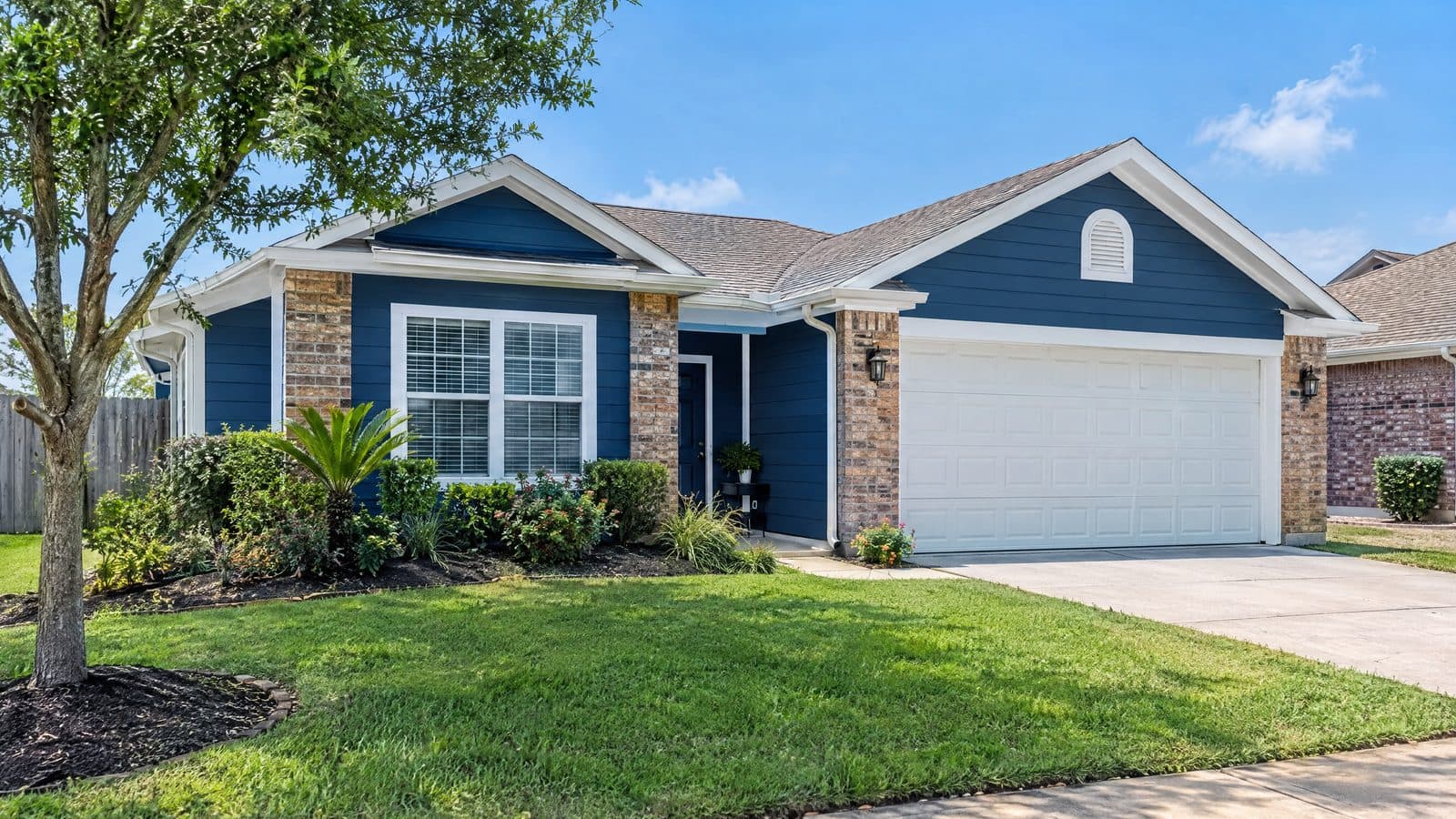
- How it is priced
- Written estimate after an in-person walk-through
- Timeline
- Set in your written estimate, after the walk-through
- Who performs it
- NRBS crews, self-performed
Exterior painting in Houston is mostly preparation. The sun, the humidity and the summer storms work on every painted surface, and a finish coat applied over chalk, mildew or soft wood will not last, however good the paint is. Our exterior painting starts with the house, not the colour chart.
What's included
Every exterior painting estimate covers four stages. You see each one as a separate line, so you know what you are paying for and where the time goes.
Prep. We pressure wash the surfaces to be painted to remove dirt, chalking and mildew, then let the house dry. Loose and peeling paint is scraped, rough edges are sanded, and open joints around trim, windows and doors are caulked so water stays out of the wall.
Repair. Wood rot on trim, fascia and the bottom courses of siding is common in Houston, especially where sprinklers or gutters keep a board wet. Rotten boards are cut out and replaced before painting. Larger siding work is handled by our siding and exterior repair crew.

Prime. Bare wood, new boards, repaired areas and any surface that has lost its old coating get primer first. Primer is what lets the finish coat grip, and on Houston siding that has been weathering for years it is often the step that decides how long the job holds up.
Coatings. Body, trim and doors are specified separately. Siding usually takes a flat or satin finish that hides surface texture; trim and doors take a harder, higher-sheen coating that cleans up and sheds water. We paint wood, fiber-cement, and stucco or brick where it has been painted before. We don't paint bare brick that has never been painted, because once it is coated it has to stay coated.
Our process
Walk-through and written estimate
We walk the outside of the house with you, look at each wall, the trim and any soft wood, and then send a written estimate with prep, repairs and painting listed separately.
Colour and product selection
You choose colours; we recommend the coating for each surface based on exposure and what is on the wall now.
Prep and repair
Wash, dry, scrape, sand, replace rotten boards, caulk and prime. Windows, fixtures and plants are protected before any paint is opened.
Paint
Body, then trim, then doors, with drying time between coats and work paused when rain or heavy dew is forecast.
Final walk
We walk the house with you, touch up anything we missed, and clean up.
What drives the cost
We don't publish prices, because two houses on the same street can need very different amounts of work. These are the things your estimate depends on:
- Prep level. A sound, chalky wall needs washing and priming. A peeling one needs scraping and spot repair first, and that is where most of the labor goes.
- Siding type. Fiber-cement, wood lap, panel siding and stucco each take paint differently and take different time.
- Height and storeys. Two-storey walls and steep grades mean ladders, staging and slower work.
- Repairs. Rotten trim, fascia and siding boards are listed separately so you can see them.
- Number of colours. One body colour and one trim colour is quickest; accent colours on shutters, doors and gables add cutting-in time.
- Coating system. The primer and finish chosen for each surface.

You get the price in writing after we have seen the house. We don't quote prices or take payment over the phone or by text.
Painting in the Houston climate
Three things shorten the life of exterior paint here. Humidity keeps surfaces damp and slows curing, so paint applied too early on a wet morning can fail early. Mildew grows on shaded, damp walls and shows through paint that was applied over it. Sun chalks and fades the finish on south- and west-facing walls fastest. We plan around all three: washing and drying first, treating mildew rather than painting over it, and choosing coatings for the walls that take the most sun.
If you are deciding when to paint, read the best time of year to paint a house exterior in Houston. If you are choosing products, read choosing exterior paint for Houston heat, humidity and mildew. And if you are comparing estimates, read what drives the cost of exterior house painting in Houston.
How to compare painting estimates
Two estimates for the same house can look far apart and still describe different jobs. Before you compare totals, compare what each one includes:
- Is prep written out? "Prep and paint" in one line tells you nothing. Look for washing, scraping, caulking and priming listed as work, not assumed.
- Are repairs separate? If rotten wood is "included", ask how much. If it is excluded, ask what happens when the painter finds it halfway through.
- How many coats, on which surfaces? One coat over a colour change rarely covers evenly.
- Which products? A written estimate names the coating for the body, the trim and the doors.
- What is protected? Windows, fixtures, the roof edge, plants and the driveway.
An estimate that answers these questions in writing is easier to hold anyone to, including us.
Getting a painting estimate
Tell us about the house, and include photos if you have them. We call you during business hours, set up a walk-through, and send a written estimate afterwards. If you sign a contract at your home, you have three business days to cancel. Read the cancellation notice for details.
Specification and related scopes
Specification
- Prep
- Pressure wash, scrape, sand, caulk and spot-prime before any finish coat
- Repairs
- Rotten trim, fascia and siding boards replaced before painting
- Surfaces
- Wood, fiber-cement and previously painted stucco or brick
- Coatings
- Body, trim and doors specified separately for sheen and exposure
What the price covers
In the scope
- Prep: pressure washing, drying time, scraping loose paint, sanding and caulking open joints
- Repair: cutting out and replacing rotten boards on trim, fascia and lower siding courses
- Primer on bare wood, new boards, repaired areas and surfaces that have lost their coating
- Coatings for body, trim and doors, each specified separately
- Protection for windows, fixtures and plants before any paint is opened
Not in the scope
- Bare brick that has never been painted: once coated, it has to stay coated
- Larger siding replacement, priced separately as siding and exterior repair
- Anything not written in the scope. Extra work found on site is raised as a written change order before it is done.
Ready when you are
Step one is a walk-through.
Get a painting quoteCommon questions
W-9, written safety programme and certificates of insurance (GL and workers’ comp): being prepared. What is published so far is on vendor credentials.
Usually specified alongside
- Siding & exteriorRestore the wall that is keeping water out of the floor system — matching what exists where we can, replacing an elevation cleanly where we cannot.
- Interior paintingConsistent colour, sheen and product — whether you are refreshing a single room or standardising across an entire community.
Where we perform exterior painting
Self-performed crews based in Houston. Each city page carries local housing context.